 Weather


When a late-summer deluge collided directly with Cape Breton Island, Nova Scotia, over the Labor Day holiday weekend, Ski Cape Smokey proved its resilience. A slow-moving low-pressure system stalled over the northern peninsula between Sept. 4 and Sept. 5, dropping up to 11.8 inches of rain and triggering flash flooding that washed out over 120 roads, 200 culverts, and eight bridges. Yet on the mountain, the infrastructure stood firm—offering proof of concept for big-mountain engineering designed to endure the North Atlantic.
For the ski community tracking the long-term development of the mountain, the storm underscores why the technical planning behind the resort’s expansion must be precise. Ski Cape Smokey CEO Martin Kejval has compared operating a mountain in this rugged maritime corridor to an “Indiana Jones” adventure, where geography and climate constantly test the parameters. When Kejval and Ecosign Mountain Resort Planners announced the four-to-five-year master plan to quadruple the resort’s footprint to 642 acres and utilize its 400-metre vertical drop, they did so with full awareness of the coastal cliff geography. Kejval purchased the property in 2021 and is no stranger to Mother Nature’s relationship with coastal Nova Scotia. The resort’s infrastructure has already proven its durability over several seasons; the Atlantic Gondola, installed in 2021 as the region’s first and only gondola, previously weathered the historic, destructive wind fields of Hurricane Fiona in 2022 without sustaining structural damage.
Canada’s east coast is frequently exposed to intense seasonal weather patterns. From early June to the end of November, NOAA National Hurricane Center data tracks a dramatic increase in moisture-heavy systems moving up the North Atlantic. While tropical storm paths vary globally, the North Atlantic corridor is uniquely supercharged by the warm waters of the Gulf Stream, which carry dense, evaporated marine air northward. According to the NOAA Tropical Cyclone Climatology tracking model, this activity builds toward a distinct climatological peak on Sept. 10, with the bulk of the season’s severe systems concentrated between mid-August and mid-October.
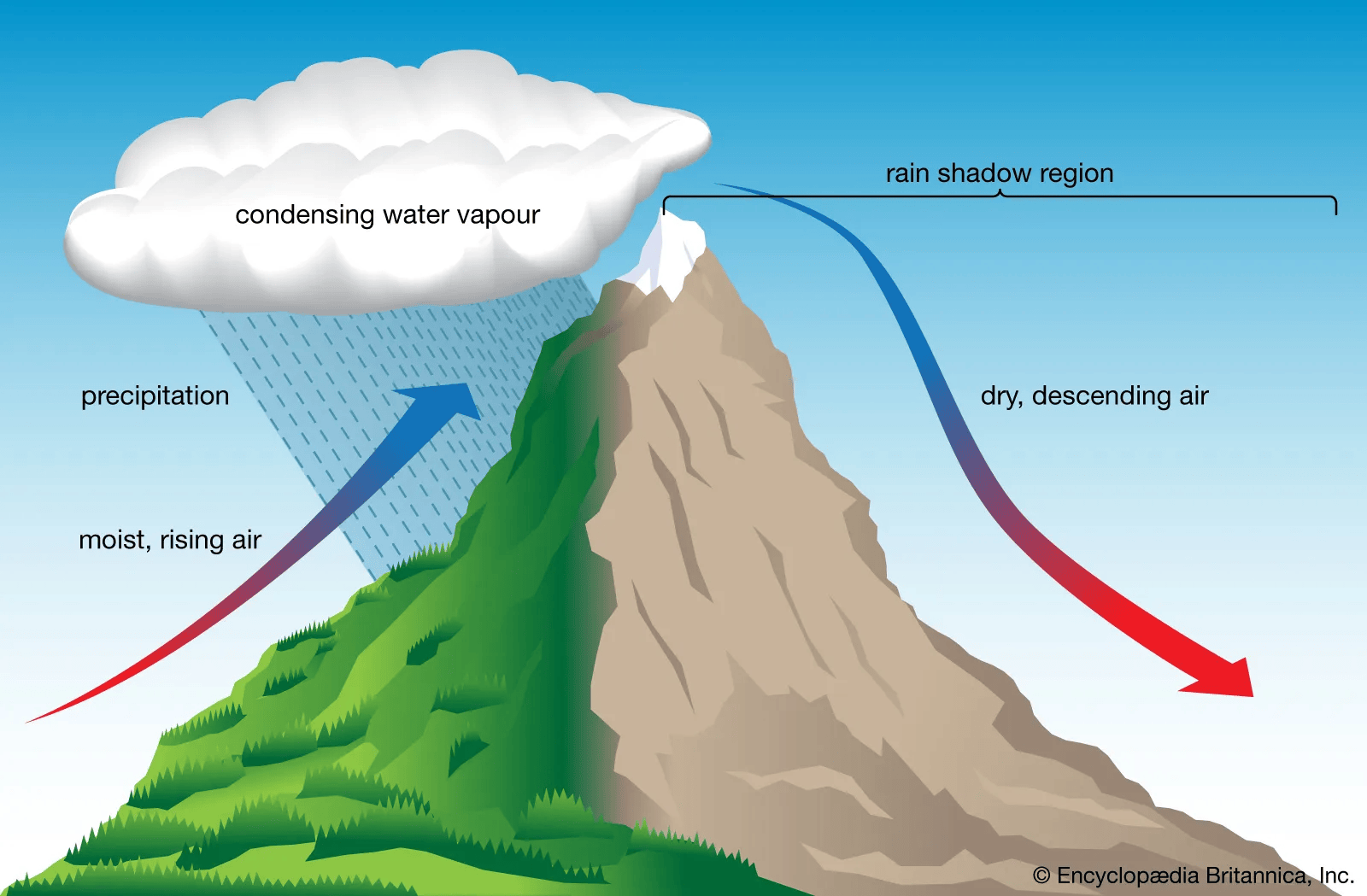
When these marine systems hit the coast, the terrain amplifies their intensity through a process known as orographic lift. As heavily saturated air is driven off the flat ocean surface, it strikes the sudden, vertical walls of the Cape Breton highlands. Forced rapidly into the colder upper atmosphere, the dropping temperature triggers rapid condensation. This is the same mechanical trap that buries peaks under legendary snowstorms, but in early September, it can mean a deluge. The atmospheric mass stalls against the high terrain, dumping its concentrated water supply directly over the peaks, and triggering flash flooding below.
As reported by CBC Nova Scotia, the weather station at Ingonish Beach recorded 8.3 inches (211 millimeters) of rain in under 48 hours during the weekend storm. Unofficial area gauges tracked close to 11.8 inches (300 millimeters) near the higher elevations. Tragically, the floodwaters resulted in one fatality in Richmond County. Local states of emergency were declared across Inverness, Richmond, and Victoria counties as municipal emergency personnel mobilized to coordinate detours and manage local utility outages. In an official briefing compiled in the Emergency Info Nova Scotia Floods Guide, officials confirmed that provincial damage assessment teams and public works crews were immediately deployed to clear hazards and stabilize washed-out transit paths.
Regional emergency operations moved quickly to restore roadways, including parts of the iconic Cabot Trail. Provincial crews and local contractors were patching key sections within hours of the initial floodwaters receding. The repair work progressed fast enough that Inverness and Victoria counties were officially able to lift their local states of emergency by the evening of Sept. 8, as reported by CBC News. On the mountain, Ski Cape Smokey kept its public updates measured, acknowledging the storm system online and posting photos of clear skies on Sept. 8. The message from the ground is one of practical resilience woven into the fabric of Atlantic Canada. That is just how it is here.
-
 1
Alta, UT, Report: “How Much Did It Actually Snow?” | Dispelling the Misinformation in Little Cottonwood Canyon
-
2
The 13 Largest Ski Resorts on Earth, Ranked by Size
-
3
23-Year-Old Local Speed Rider Dies on the North Face of Chamonix’s Aiguille du Midi [UPDATED]
-
4
Norwegian World Cup Champion Aleksander Aamodt Kilde Tears Achilles While Training in Chile
-
5
SnowBrains 2026-27 Ski Season Forecast, Region by Region: El Niño Favors the High Sierra Over the Northern Rockies


Kejval’s operational approach for Ski Cape Smokey has shown a genuine alignment with the community’s core identity. His leadership has focused heavily on integrating the mountain project directly into the existing local fabric. Developing expert, north-facing terrain in this specific maritime corridor demands that exact type of clear-eyed cooperation. Backed by insurance-modeled risk data, this means prioritizing advanced drainage channels, heavy-duty water retention basins, and sophisticated erosion controls put in place long before winter operations commence.
According to the resort’s project timelines, winter preparation for the upcoming 2026/27 season remains on track. The resort has already completed upgrades to expand its snowmaking pump capacity by 30% and install seven new fan guns, alongside finalizing its brand-new dedicated uphill touring and splitboarding routes. The fast stabilization of the surrounding transport grid ensures that freight and logistics can continue on schedule, demonstrating that the engineering framework behind the resort’s big-mountain footprint is strictly calibrated for the realities of the North Atlantic environment.
As autumn advances over Cape Breton, the lessons of the late-summer storm are clear. With regional infrastructure steadily recovering, Ski Cape Smokey‘s capacity to push ahead amidst active environmental threats proves the layout is strictly calibrated for the coastline. Building to withstand the peak moisture of a maritime summer ensures the mountain is structurally sound before the snow flies.
How to Support Cape Breton’s Recovery
While Ski Cape Smokey weathered the Labor Day weekend storm, some communities on the island still face a long recovery. To support disaster relief efforts for the communities directly impacted by the flash flooding, financial donations can be made directly online via the general Canadian Red Cross Donation Portal or by phone at 1-800-418-1111.
