SnowBrains Header logo
  • Home
  • News
  • Weather
  • Resort Reports
  • Brains
  • Store
  • Podcast
  • 300 Movie
  •  
SnowBrains Facebook Page SnowBrains Twitter Page SnowBrains Instagram Page SnowBrains YouTube Page SnowBrains RSS Feed
Advertisement

altitude

All About HAPE: The Most Fatal Altitude Sickness

Image of High Altitude Pulmonary Edema at different stages of being treated

High altitude pulmonary edema, or HAPE, is the most deadly type of altitude sickness. HAPE is a condition where a person’s lungs fill with fluid, preventing oxygenation of blood and causing a variety of unpleasant symptoms. It usually occurs within 4-5 days of reaching an altitude greater than 8000 feet and often happens to people who are physically fit and […]

Tanner Blake | October 1, 2018
0 Comments

“Troubling Trends” Surrounding the Increased Frequency of Alpine Illness HAPE

Denali Summit in Alaska

According to a blog post by park rangers of Denali National Park, a sharp uptick in the number of climbers attempting to summit the 20,310-foot park namesake has led to a resurgence of High Altitude Pulmonary Edema. The condition, known as HAPE, most frequently occurs in normally healthy individuals traveling from lower elevations to areas above 8,200 feet, leaving popular […]

Post Tag for BrainsBrains
Lucas Gauthier | July 7, 2018
0 Comments

High Altitude Pulmonary Edema—What It Is and Why You Should Care

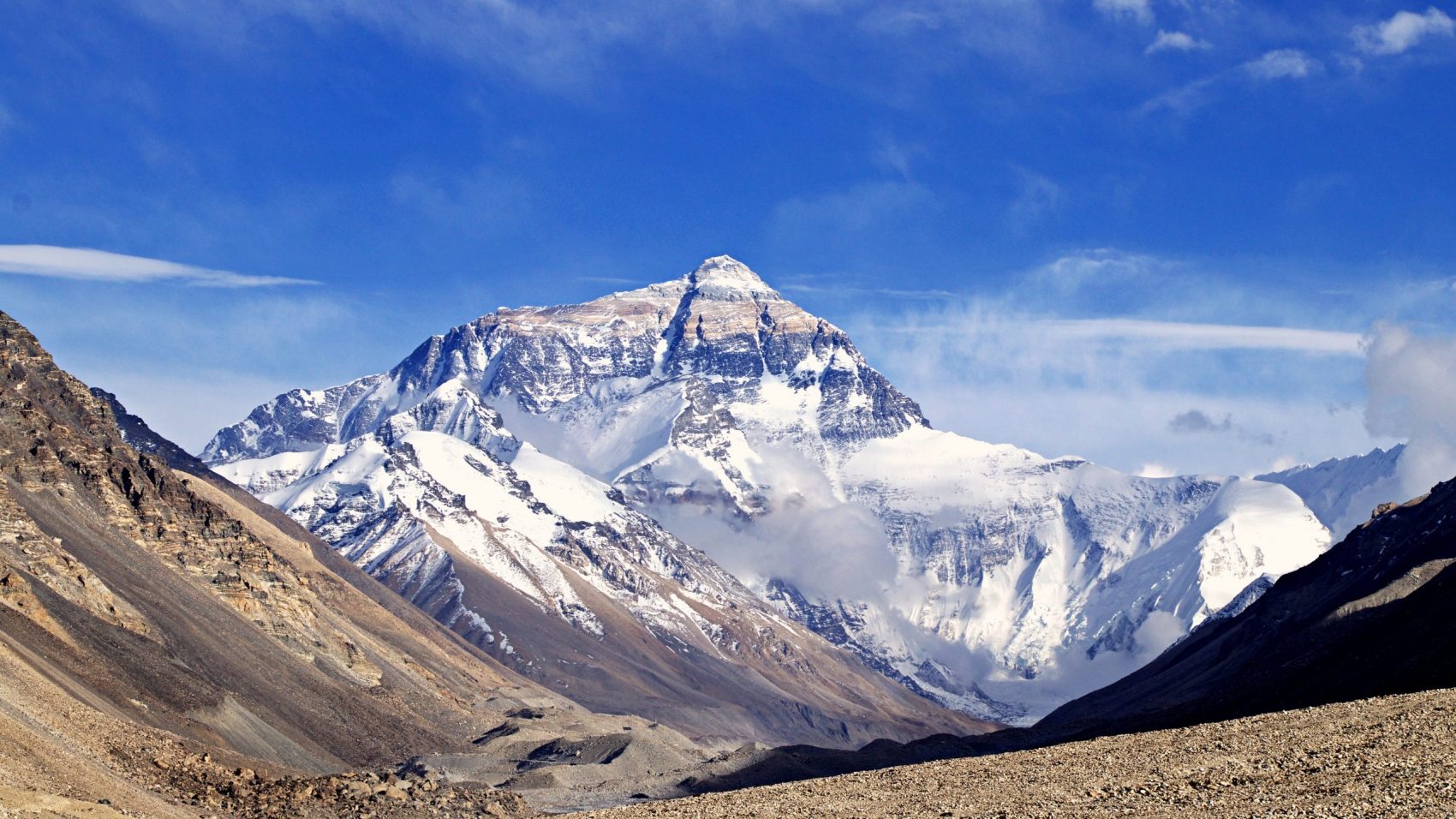
Starry Night over Mt. Everest

High Altitude Pulmonary Edema, or HAPE, is the most common and most fatal form of high altitude sickness. HAPE results from fluid building up in the lungs over time while at high altitude. Essentially, victims of HAPE take in less and less oxygen due to the low air pressure at high altitudes as fluid continues to fill up their lungs, resulting […]

Post Tag for BrainsBrains
Maggie Dean | October 1, 2017
0 Comments

The Tortoise and the HAPE: Steady High-Altitude Ascents Win the Race (and Save Lives)

Mountaineering, HAPE, AMS, HACE

  High-Altitude Pulmonary Edema (HAPE) is a terminal reaction of the lungs to low-oxygen conditions and is the number one cause of death in high altitude environments. When it comes to mountaineering and backcountry snow sports, the excitement of peak-bagging, if not managed with caution and preparedness, can be costly. We all know the fable of the tortoise and the […]

Post Tag for BrainsBrains
Sydney Stephens | October 1, 2017
0 Comments

HAPE: The Number One Killer at High Altitude

Dangerous Skiing

  Recreation at high altitude entails many existential threats. Avalanches, rock falls, lighting, and hypothermia all leap to mind as serious threats. Yet, the leading cause of death at high altitude (8,200 ft or 2,500 m and above) is probably something many are not familiar with, high-altitude pulmonary edema (HAPE). Pulmonary edema is the accumulation of fluid in the tissues […]

Post Tag for BrainsBrains
Curtis Weller | October 1, 2017
0 Comments

All Skiers Prone to Altitude Disease, H.A.P.E

HAPE Occurs in Many Popular Ski Resorts

High Altitude Pulmonary Edema or HAPE is a life-threatening disease where excess fluid develops in the lungs, meaning people are unable to perform gas exchange properly and have a difficult time breathing. This is when someone is not getting enough oxygen to function normally, and typically effects mountaineers at altitudes above 2,500 meters. This affects hundreds of skiers each year, […]

Post Tag for Industry NewsIndustry News
Kristen Strom | October 1, 2017
0 Comments

HAPE Elevation’s #1 Threat

Mountaineering, HAPE, HACE, AMS,

Planning on a big expedition in the high alpine or thinking about bagging that peak on your bucket list? Before you go, have you ever heard of HAPE, or high altitude pulmonary edema? HAPE is a more severe form of AMS or Acute Mountain Sickness. The cause of acute mountain sickness is still unknown, but some medical sources think it […]

Post Tag for Featured ArticleFeatured Article
Greg Obernesser | October 1, 2017
0 Comments

HAPE is the Leading Cause of Death at High Altitudes

HAPE at altitude

High-altitude pulmonary edema or HAPE is the leading cause of death related to high-altitude exposure. John Krakauer’s breakout book Into Thin Air brought HAPE as well as High Altitude Cerebral Edema (HACE) to the forefront of mortality on Mt. Everest, but the fact is that HAPE, while most common above altitudes of 8,200 feet, can occur at altitudes as low […]

Post Tag for BrainsBrains
Meghan Kelly | October 1, 2017
0 Comments

HAPE – Altitude’s Silent Killer

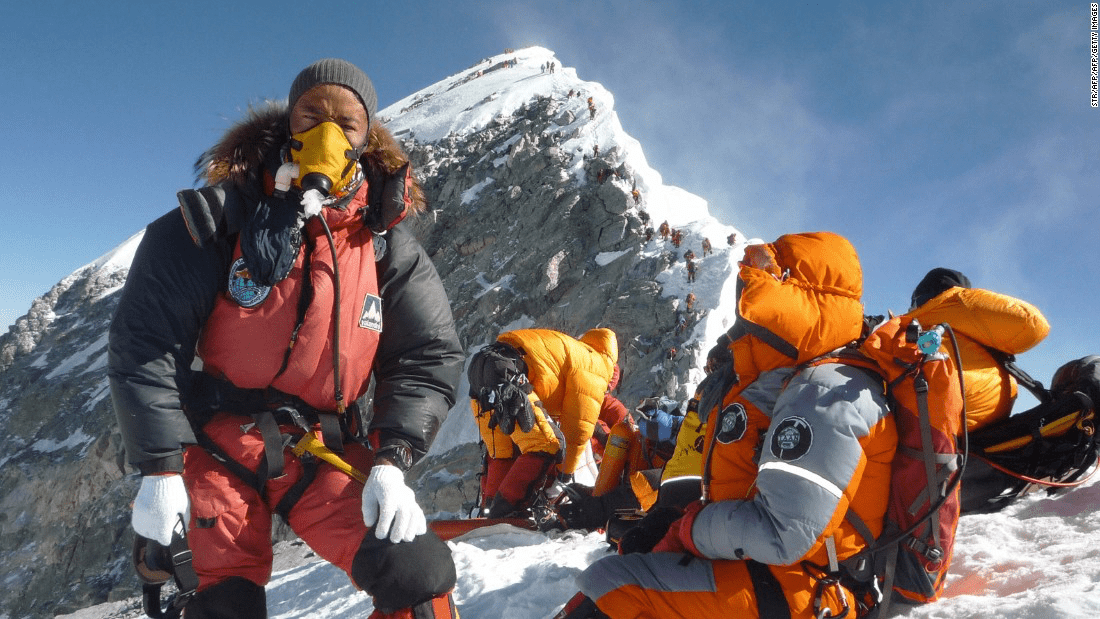
Kilian Jornet Everest Record

  Mild altitude sickness, or AMS (acute mountain sickness) is a common issue that most people have probably experienced when traveling in the mountains. With symptoms similar to a hangover, it’s usually nothing more than a minor annoyance but can develop into a life threatening condition know as HAPE. High Altitude Pulmonary Edema, or HAPE, is a a condition involving […]

Post Tag for ClimbingClimbing
Mike Lavery | October 1, 2017
0 Comments

HAPE: Don’t Fall Victim to this High Altitude Condition

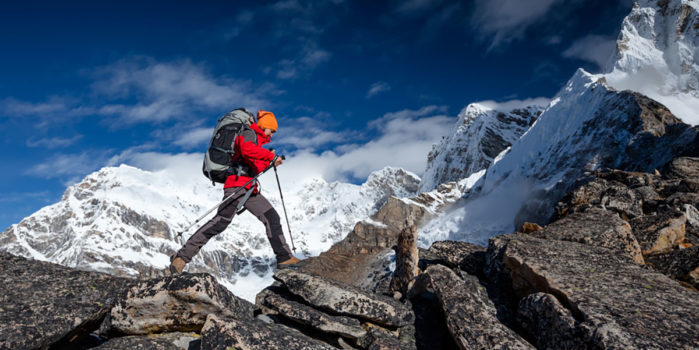
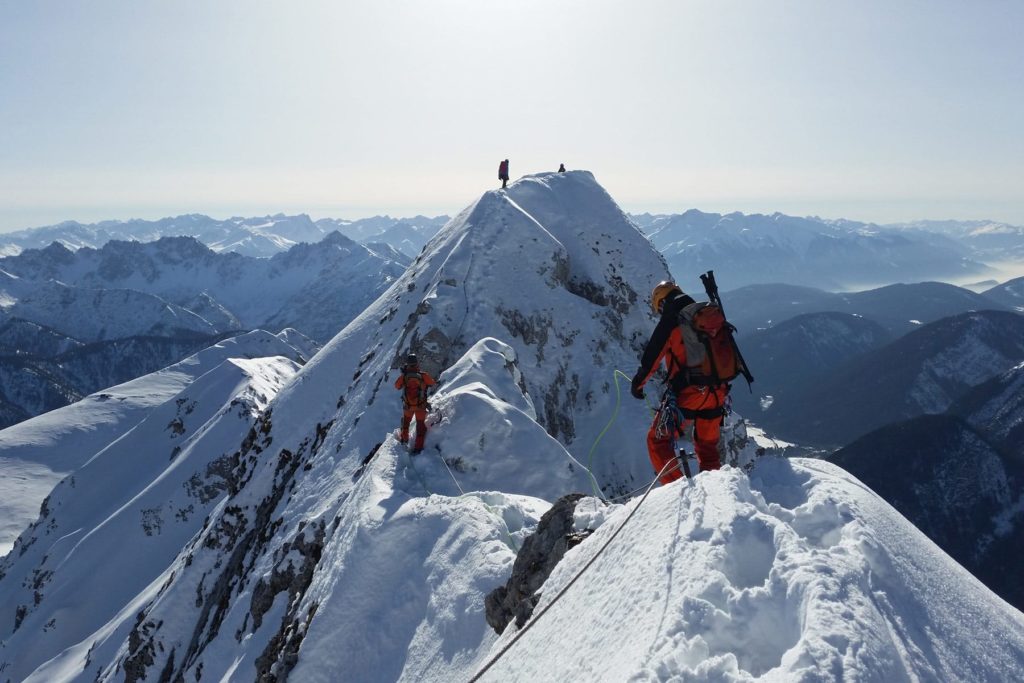
Mountaineers make their way across a snowy ridge.

Mountaineering can be extremely rewarding, but it can also be equally as dangerous! Rock falls, sheer exposure and altitude sickness are just a few of the risks involved. Altitude sickness can rear its ugly head in many different forms…but the most dangerous of all is HAPE, or High Altitude Pulmonary Edema. Basically, this is when your lungs fill with fluid…due […]

Post Tag for ClimbingClimbing
Matt Brennan | September 1, 2017
0 Comments

Altitude Sickness | How to Recognise, Cure and Prevent Severe Acute Mountain Sickness

altitude sickness, hape, hace, climbing, mountaineering, everest, death zone

There are two ways of categorizing death at altitude; traumatic and non-traumatic. Traumatic deaths occur from the usual hazards of mountaineering; falls, avalanches, and extreme weather. They usually occur lower down rather than high up, and are quite unusual. It’s more likely that climbers die from non-traumatic causes, most notably altitude-related illnesses.  Altitude sickness has three forms. Mild altitude sickness is called acute mountain sickness […]

Post Tag for ClimbingClimbing
Steven Agar | August 21, 2017
3 Comments

High Altitude Sickness – Knowing This Could Save Your Life

altitude sickness, hape, hace, climbing, mountaineering

We all know of someone that arrived in resort but didn’t make it on the hill because they got hit with high altitude sickness. But did you know that without treatment, complications can occur and altitude sickness can quickly become fatal? Altitude sickness can strike when you travel to a high altitude above sea level too quickly (usually above 3,000m […]

Post Tag for BrainsBrains
Boo Radley | December 4, 2016
0 Comments

Posts navigation

Newer posts

Share your story:

Submit A Link

Top 10 Trending right now:

  • 16-Year-Old Skier Dies In Austria’s Largest Terrain Park on Opening Day
    16-Year-Old Skier Dies In Austria’s Largest Terrain Park on Opening Day
  • Hunter Mountain, NY, Report: This Isn’t How Vail Makes Money
    Hunter Mountain, NY, Report: This Isn’t How Vail Makes Money
  • The 7 Most Scenic Drives to a Ski Area in North America
    The 7 Most Scenic Drives to a Ski Area in North America
  • Top 5 Most Challenging and Rewarding Groomed Runs in the U.S.
    Top 5 Most Challenging and Rewarding Groomed Runs in the U.S.
  • Man Accused of Manslaughter for Leaving his Girlfriend to Freeze to Death Atop Austria's Highest Mountain
    Man Accused of Manslaughter for Leaving his Girlfriend to Freeze to Death Atop Austria's Highest Mountain
  • Tragic Start to the Ski Season at Sweden’s Åre Resort as 20-Year-Old Dies Minutes After Opening
    Tragic Start to the Ski Season at Sweden’s Åre Resort as 20-Year-Old Dies Minutes After Opening
  • The 3 Companies that Dominate Skiing Retail
    The 3 Companies that Dominate Skiing Retail
  • Teen Climber Killed in Slab Avalanche on Zugspitze, Germany’s Highest Peak
    Teen Climber Killed in Slab Avalanche on Zugspitze, Germany’s Highest Peak
  • Stratton Mountain—Southern Vermont's Highest Peak—Releases Long Term Development Plan
    Stratton Mountain—Southern Vermont's Highest Peak—Releases Long Term Development Plan
  • Grizzly Bear Attack on School Group Leaves 11 Injured in British Columbia
    Grizzly Bear Attack on School Group Leaves 11 Injured in British Columbia
  • Meet the Team
  • Contact
  • Privacy Policy
  • Editorial Policy
  • Artificial Intelligence (AI) Policy
  • Site Map