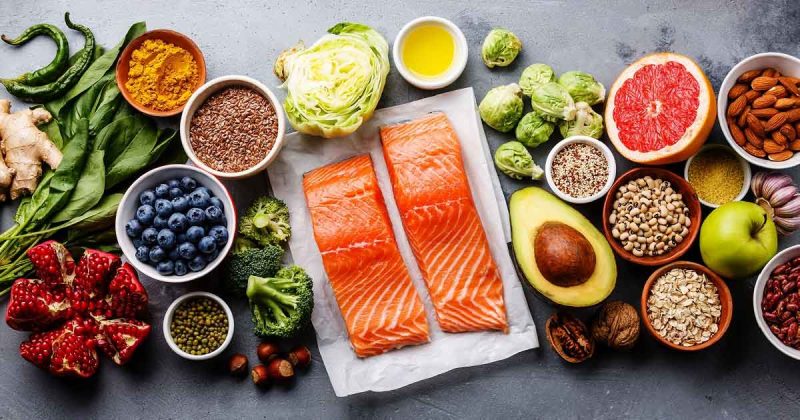
Some of the simplest, staple foods we know and love are also the best “real foods” for our bodies before and especially while recovering after physical activities. These real foods must be easily digestible for our bodies to efficiently metabolize, and full of nutrients in order to do what we need them to do. Also, anything jam-packed into a bottle or crammed into a bar won’t be included here.
There are two essential nutrients needed to help our bodies during the recovery process, proteins, and carbohydrates. However, including other beneficial vitamins, minerals, amino acids, and anti-oxidants in a balanced meal is equally important. From a basic peanut butter and jelly sandwich to a more extravagant salmon with a side of greens, there are a plethora of classic, quick concoctions or snacks for post-exercise recovery.
Peanut Butter and Jelly Sandwich
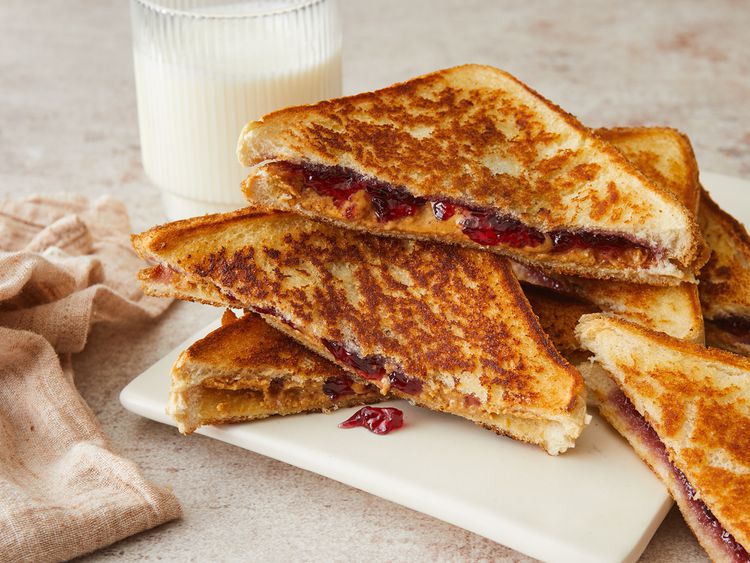
The most classic of all classics, the peanut butter and jelly sandwich holds a place in many of our hearts from long ago, and for a good reason. The standard PB&J; two slices of white bread, peanut butter, and jelly contains 16 grams of fat, 45 grams of carbs, and 11 grams of protein. Not to mention, the delicious, dessert like past-time snack can easily be changed and upgraded to add additional nutrition however you please. With endless possible variations to this simple sandwich (I like adding banana), the PB&J should always be a go to food for fuel as well as recovery.
Watermelon, Blueberries, and Bananas
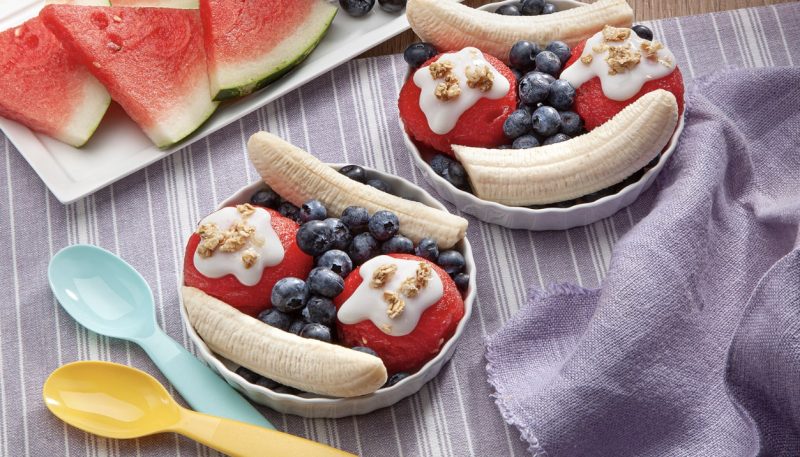
Fruit, duh! But not just any fruit. These specific fruits could be viewed as super-fruits when it comes to helping our bodies specifically during recovery. Berries receive their colors from anthocyanins, which can have anti-inflammatory effects. L-citrulline, an amino acid present in electrolyte-filled Watermelon, helps to remove lactic acid build up in muscles. Lastly, bananas are rich in carbs and potassium, both of which aid muscles during recovery. Combine these tasty snacks into a smoothie or eat these convenient, portable treats on their own. These fruits are all exceptional foods for fuel, as well.
Salmon and Fatty Fish
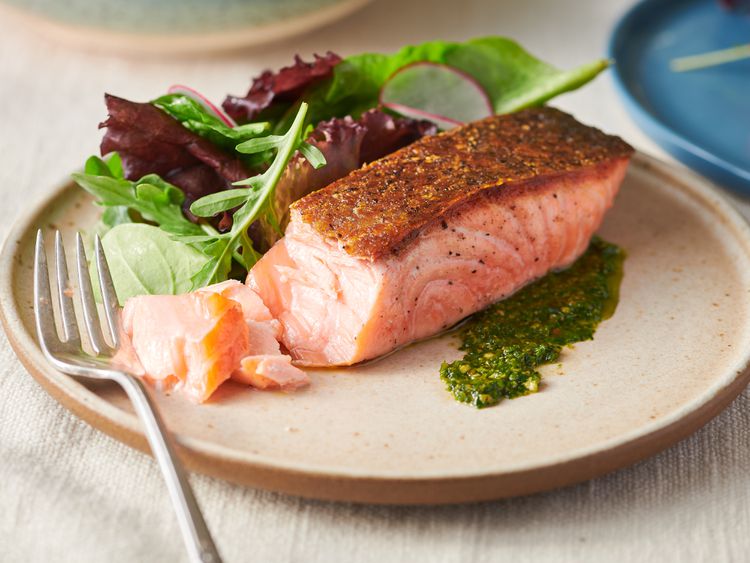
Indulging on some scrumptious salmon not only satisfies your taste buds, but it is also full of body and heart beneficial goodness. Protein amounts are huge in an eight ounce piece of salmon, ranging anywhere from roughly 20–40 grams, depending on a few variables. In addition, omega-3 fats and selenium have shown to help reduce and regulate inflammation. Other fatty fish like trout and sardines are also excellent sources of omega-3’s. Smoked salmon is another convenient option, and you can even find salmon jerky in some stores, although it is likely high in sodium.
Nuts and Seeds
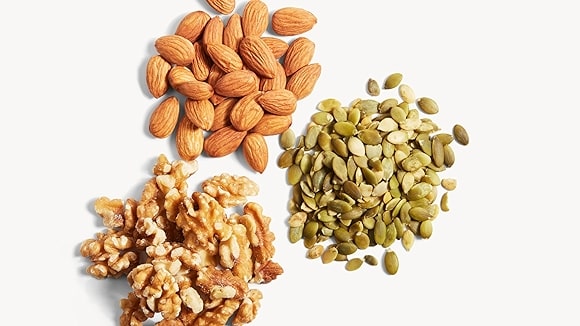
Although it might feel like you’re snacking like a bird, walnuts, cashews, almonds, sunflower seeds, and chia seeds, to name a few, are all rich in plant based protein, vitamins, and minerals essential for healing. Almonds contain roughly six grams of protein per 23 pieces, and have been found to promote muscle recovery while also reducing the effects of fatigue. Chia seeds contain amino acids that our bodies can’t produce, and are full of minerals like calcium, magnesium, and iron. Not to mention, nuts and seeds are such a convenient on-the-go snack for fuel. Try topping a yogurt or adding some seeds into a smoothie!
Milk/Chocolate Milk
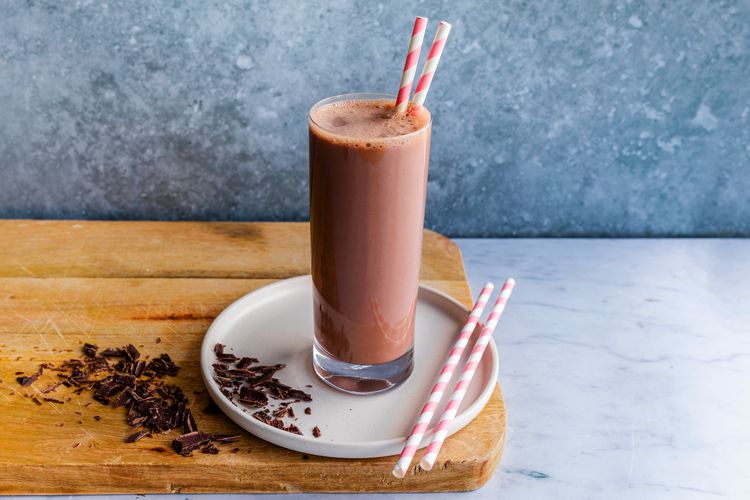
A cold, refreshing glass of chocolate milk, or regular milk, might take many of us back to reliving childhoods memories. Drinking milk offers a quicker delivery method of nutrients through absorption in your stomach lining rather than digesting a solid food. The ratio in chocolate milk, three-four carbs to every one gram of complete protein, is ideal for post-exercise muscle recovery and equally efficient as performance drinks. A glass of chocolate milk and a banana is a super tasty snack to help your body recover.
While this list provides a range of food groups offering fantastic fuel and recovery health benefits, there are still so many other options out there. Leafy greens like spinach, kale, and arugula; eggs, yogurt, avocados, cottage cheese, steak, chicken, and potatoes are just a few more great foods that have been found to promote and aid recovery.
Between dietary restrictions, costs, and simply what tastes you like, after a little research and trial and error, you can find what works best for you and your body to help fuel and recover before and after your next adventure.